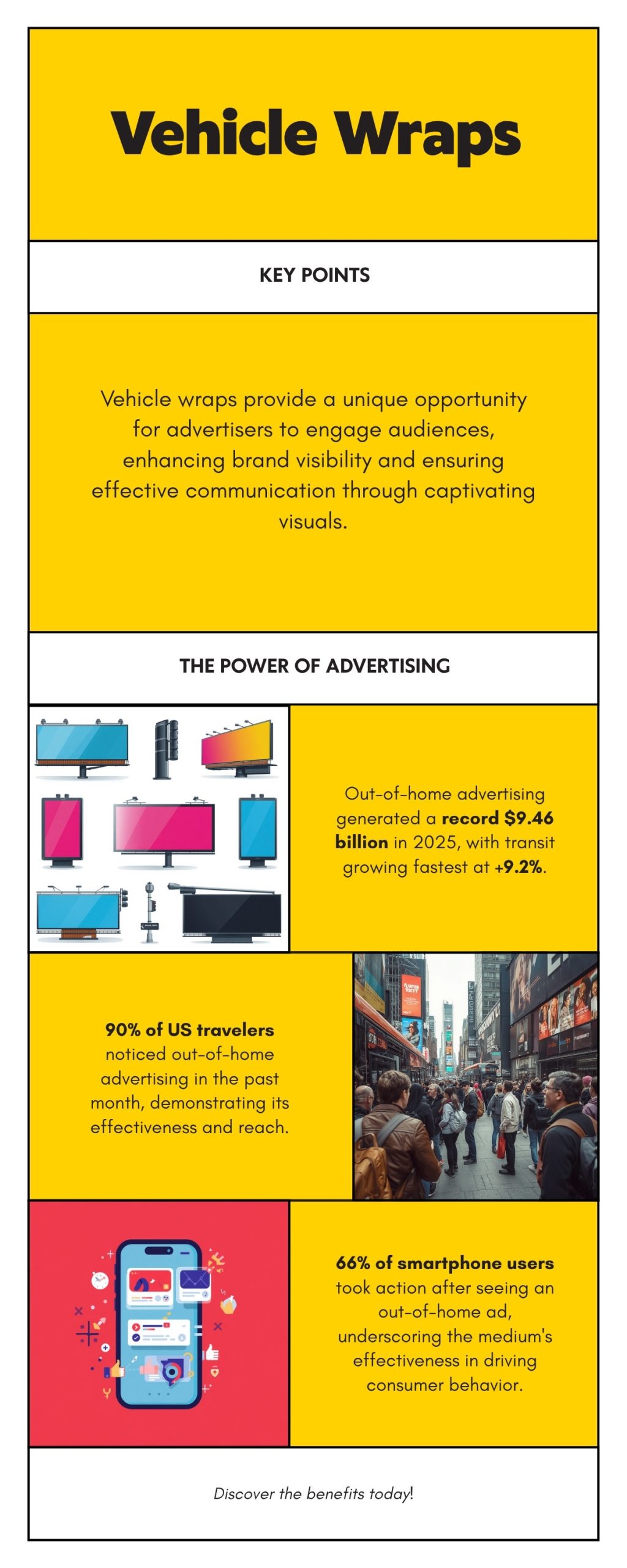
Custom exterior signage increases visibility, attracts potential customers, and drives foot traffic. This article outlines how tailored signage strengthens brand presence, the benefits of large format printing, key design practices, ways to measure return on investment, and how Color Reflections supports professional signage projects. What Are the Key Benefits of Custom Exterior Signage for Business Visibility? Custom exterior signage improves brand recognition and creates memorable impressions for passersby. Effective signs also support customer attraction—research indicates well-designed signage can substantially increase foot traffic—and offer cost-efficient, continuous exposure as 24/7 advertising after installation. How Does Large Format Printing Improve Outdoor Sign Impact? Large format printing produces high-resolution visuals that command attention from a distance, with vibrant colour reproduction and detailed graphics that improve legibility. It is highly customizable and versatile, and modern materials and inks increase the durability of printed materials so signs withstand weather and retain appearance. For durable, high-impact work, Color Reflections offers large format printing solutions engineered for visibility and longevity. Which Design Elements Maximize Sign Visibility for Storefronts? Deliberate design choices ensure clear, immediate communication. Key elements include: Contrasting Colors: Improve legibility and help text stand out. Font Types: Choose clear, legible fonts—sans-serif often works best in varied lighting. Size Considerations: Scale signs to expected viewing distance for visibility in busy areas. Applying these principles increases the chance that passersby notice and respond to storefront signage. How to Measure the ROI of Custom Exterior Signage Through Foot Traffic Growth? Measure signage ROI by tracking pedestrian metrics before and after installation. Use baseline and post-installation foot traffic counts, complement with sales conversion monitoring, and gather customer engagement feedback to evaluate impact. Combined quantitative and qualitative data creates a reliable assessment of signage effectiveness. What Metrics Indicate Increased Customer Foot Traffic from Signage? Useful metrics include: Foot Traffic Counts: Regular measurements reveal trends and installation effects. Sales Data Monitoring: Comparing sales before and after signage updates helps identify impact. Customer Survey Insights: Direct feedback clarifies whether signage influenced visits. These indicators link signage investments to customer acquisition outcomes. Which Materials and Durability Features Optimize Exterior Sign Effectiveness? Choosing the right materials ensures long-term performance. Common, reliable options include: Aluminum: Structural strength and weather resistance for permanent signs. Vinyl: Cost-effective and adaptable for temporary or lasting applications. Reflective Sheeting: Improves night-time visibility under low light. These materials help maintain consistent sign performance and reduce replacement frequency. What Are the Best Materials for Long-Lasting Custom Outdoor Signs? For longevity, prioritise durable, weather-resistant components: High-Density Foam: Good for dimensional signage where weight and durability matter. Vinyl and Mesh: Suit banners and large formats that face varied conditions. UV-Resistant Inks: Prevent fading and preserve colour fidelity. These choices provide dependable solutions that endure environmental exposure. How Do Weatherproof and UV-Resistant Features Enhance Sign Lifespan? Weatherproof construction and UV protection preserve clarity and structural integrity. Important factors include substrates and assemblies that resist rain, wind, and temperature changes, plus inks and coatings that minimise sun fading. Durable signs retain legibility and visual impact, extending service life and return on investment. How Can Businesses Partner with Color Reflections for Custom Exterior Signage Solutions? Partnering with Color Reflections gives businesses a structured approach to professional signage: Design Consultation Services: Designers collaborate to develop audience-focused signage. Custom Signage Solutions: Tailored recommendations to meet functional and brand goals. Easy Project Quote Request Process: A streamlined workflow clarifies timelines, costs, and deliverables. Working with Color Reflections provides specialist expertise and reliable execution to meet performance and aesthetic objectives. What Customization and Installation Services Does Color Reflections Offer? Color Reflections manages projects end-to-end. Core offerings include: A Variety of Customization Options: Materials, dimensions, and finishes tailored to brand needs. In-House Production and Installation: Quality control across production and installation phases. Case Studies of Successful Implementations: Documented references that demonstrate expected outcomes. This model helps deliver consistent quality for complex signage needs. How to Request a Consultation or Project Quote for Outdoor Signage? Begin a project with Color Reflections via a simple process: Complete a Consultation Form: Provide design intent, functional requirements, and size details. Detail Requirements for a Quote: Include all relevant parameters for an accurate proposal. Anticipate Timeline for Response: Expect a defined follow-up schedule. Clear initial information speeds planning and delivery. Frequently Asked Questions What types of businesses benefit most from custom exterior signage? Retail, hospitality, and service providers commonly benefit—retailers and restaurants use signage to attract passersby and communicate offerings, while service businesses use signs to convey professionalism and location. Thoughtful design supports visibility and customer acquisition across sectors. How can seasonal changes impact outdoor signage visibility? Seasonal weather affects visibility—snow, rain, and strong sunlight can obscure or fade signs. Selecting weather-resistant materials and UV coatings, and rotating seasonal designs, helps maintain legibility and relevance year-round. What are some creative signage ideas to stand out from competitors? Consider interactive elements, digital or backlit displays, motion or LED accents, and locally themed artwork. Unique form factors and a clear visual narrative enhance memorability and foot traffic. How do local regulations affect custom signage solutions? Zoning and municipal codes set rules for size, placement, and illumination. Review local regulations and consult authorities during planning to ensure compliance and avoid delays or fines. What maintenance is typically required for outdoor signs? Routine cleaning, inspection and replacement of lighting for illuminated signs, and timely repairs for fading, peeling, or structural issues preserve appearance and functionality. A maintenance plan extends the sign’s useful life. How important is branding consistency in signage design? Consistent colours, typography, and logo use across signs and brand touchpoints reinforces recognition and trust. Aligned visual standards strengthen customer familiarity and professional appearance. Conclusion Custom exterior signage, when designed and built with quality materials and strategic placement, enhances visibility, attracts customers, and reinforces brand identity. Businesses that invest in professional signage can see measurable increases in foot traffic and sales; partnering with a specialist like Color Reflections helps ensure tailored, high-quality results. Contact Color Reflections to discuss options and start planning your signage project.
The post How Does Custom Exterior Signage Improve Business Visibility and Foot Traffic? appeared first on Large Format Printing & Event Graphics.