
Creating your own Helm charts can mean facing potential errors, thankfully Helm has tools to help. Linting Most of us (including myself) have made an error when writing YAML. It can be an inadvertent space, or a character in the wrong place. A linter helps check that YAML file is written in the correct format […]
Marvel Maximum Collection (Review)
A collection of ’90s Marvel video games, all in one place on the current generation of gaming consoles… Marvel knows how to take my money. MaXimum Collection After Marvel Cosmic Invasion I wanted more side scrolling beat ’em up Marvel action and Limited Run Games has delivered with a collection of Marvel games from Arcade, […]
27Mar/26
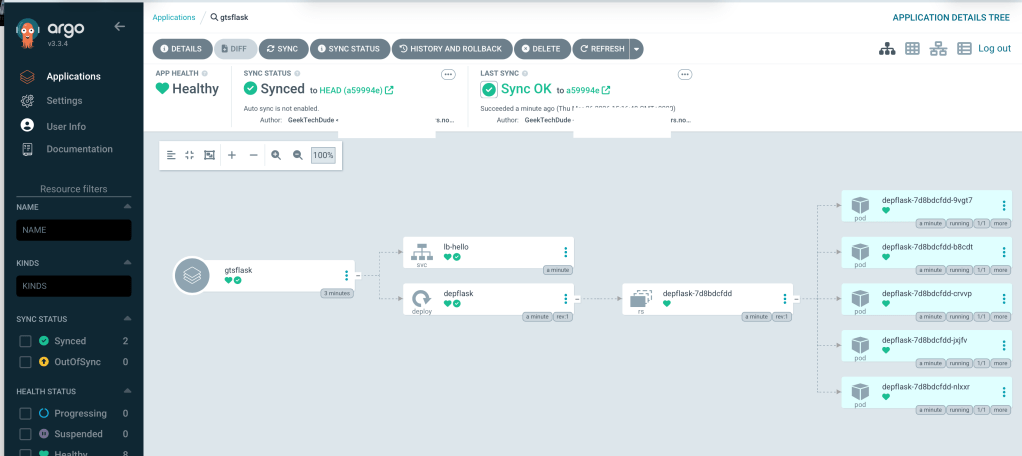
Introducing Argo CD and GitOps (Kubernetes)
My recent blog posts have shown how to deploy resources in Kubernetes, and how Helm is used as a chart (“package”) manager for Kubernetes. Glueing the posts together and it is possible to have CI/CD pipelines deploying resources or charts into Kubernetes clusters. But what if there was another way? CI / CD – The […]
Helm – Creating a Chart (Kubernetes)
Previously I discussed using Helm to install existing charts into Kubernetes (https://geektechstuff.com/2026/03/06/helm-kubernetes-package-manager-kubernetes/), but what if you have a custom self-made app or want to create a bespoke install into Kubernetes? Helm Create Alongside existing Helm charts, Helm gives you the option of creating your own charts. In fact, Helm even gives you a template with […]
High-Impact Retail Graphics & Storefront Signage — Make Your Brand Stand Out and Bring in More Customers
In a crowded retail market, bold graphics and clear storefront signage are the quickest way to get noticed. This article walks through how custom retail graphics and storefront signs boost visibility, direct foot traffic, and increase customer engagement. Retail graphics do more than look good — they’re strategic tools that support promotions, shape customer experience, and help drive sales. Below we cover the benefits of custom printing, effective signage strategies, large-format displays, window graphic solutions, and how Color Reflections delivers reliable, high-quality results. What Are the Benefits of Custom Retail Graphics Printing? Custom retail graphics printing gives your brand a clearer presence in the marketplace. Tailored graphics help you get seen, connect with shoppers, and reinforce marketing activity. When done right, they create a distinctive look that speaks to your target audience. Enhanced Brand Visibility: Purposeful graphics capture attention and communicate your message quickly, increasing awareness. Increased Customer Engagement: Thoughtful visuals invite customers inside and encourage them to explore products. Support for Marketing Efforts: Retail graphics extend campaigns into physical space, reinforcing promotions and driving conversions. Color Reflections focuses on bold, custom printing solutions that help businesses of every size make the most of these advantages. How Do Retail Graphics Enhance Brand Visibility and Customer Engagement? Retail graphics cut through visual noise by creating memorable displays. Placing graphics in high-traffic areas—windows, entrances, and key aisles—draws passersby and guides shoppers through the store. Strong visuals trigger emotional responses and create lasting impressions, which leads to better engagement and repeat visits. Which Materials and Printing Techniques Are Used in Retail Graphics? Material choice and print technique determine how a graphic looks and how long it lasts. Common options include vinyl, fabric, and paper. Vinyl is durable and weather-resistant for outdoor use; fabric offers a premium feel and easy transport; paper is cost-effective for short runs. Large-format printing and modern inks keep colors vivid and readable at scale. How Can Custom Storefront Signage Elevate Your Business Presence? Storefront signage is often a customer’s first impression. The right sign tells people who you are, what you offer, and why they should step inside. Well-designed signage reinforces your brand identity and makes your storefront more inviting. Types of Effective Signage: From channel letters to illuminated and hanging signs, each style delivers a different visual impact and suits different storefronts. Impact on Foot Traffic: Clear, attractive signage makes your business easier to find and more appealing to passersby. Brand Identity Reinforcement: Consistent, branded signage builds recognition and loyalty over time. What Types of Storefront Signs Are Most Effective for Retail Branding? Channel letters provide bold daytime visibility and a modern look, illuminated signs extend your presence into the evening, and hanging signs add character without crowding the facade. Each sign type can be tailored to reflect your brand’s personality and the customer experience you want to create. How Does Professional Installation Impact Storefront Signage Performance? Professional installation ensures signs are mounted correctly, aligned for sightlines, and secured against weather. Proper installation prevents premature damage and keeps signs performing as intended. Businesses with professionally installed signage often see better visibility, higher engagement, and improved sales. What Are the Key Features of Large Format Retail Displays? Large-format retail displays are built to attract attention and communicate messages at scale. They work well for point-of-purchase solutions, trade shows, and in-store promotions where visibility matters most. Size and Visibility: Large displays are visible from a distance and help draw customers into the selling space. Customization Options: Displays can be tailored to match branding, messaging, and campaign goals. Material Choices: Vinyl and fabric are common choices that balance durability with visual appeal. How Do POP Solutions Influence In-Store Buying Decisions? Point-of-purchase (POP) displays influence buying by capturing attention at critical moments—near checkouts or high-traffic zones. Well-placed POP displays prompt impulse buys and reinforce ongoing promotions. What Design and Material Options Are Available for Large Format Displays? Large-format options include durable vinyl for vibrant color, fabric for a premium, portable look, and backlit systems for low-light visibility. The right combination of design and material affects how customers perceive your message and whether it drives action. Why Choose Commercial Window Graphics for Retail Advertising? Window graphics convert unused glass into effective advertising space, promoting products, seasonal offers, and brand identity to people passing by. Visibility: Window graphics make your offers visible to foot and vehicle traffic, increasing discovery. Cost-Effectiveness: Compared with many ad channels, window graphics deliver high visibility for a relatively low cost. Versatility: Graphics are easy to update for seasonal promotions or new product launches, keeping your storefront fresh. What Are the Different Types of Window Graphics and Their Benefits? Perforated vinyl provides one-way visibility so you can display bold graphics while maintaining inside sightlines. Static cling is simple to apply and remove for short-term promotions. Frosted film adds privacy and a refined look while still letting light through. How Do Window Graphics Contribute to Privacy and Energy Efficiency? Frosted films increase privacy without sacrificing daylight, creating a comfortable interior. Specific window films can also reduce solar heat gain, helping lower cooling costs and improving climate control inside the store. How Does Color Reflections Deliver Superior Retail Graphics and Signage Solutions? Color Reflections brings together nationwide service and in-house production to deliver consistent quality and faster turnarounds across projects. Nationwide Reach: With locations in Atlanta, Hollywood, Philadelphia, and Houston, we support projects across the country. In-House Production Advantage: Owning production lets us keep tight quality control and respond quickly to changes or rush needs. Eco-Friendly Practices: We prioritize sustainable choices—using UV-curable inks and recyclable substrates where practical. What Is the Nationwide Reach and In-House Production Advantage? Our regional locations let us handle local logistics and installations while maintaining consistent standards. In-house production shortens lead times and gives us tighter control over quality from proof to finished sign. How Does Color Reflections Incorporate Eco-Friendly Practices in Printing? Sustainability is part of our process. We use materials and inks designed to reduce environmental impact and choose recyclable substrates when they fit the
The post High-Impact Retail Graphics & Storefront Signage — Make Your Brand Stand Out and Bring in More Customers appeared first on Large Format Printing & Event Graphics.
Helm – Kubernetes Package Manager (Kubernetes)
My recent posts have been discussing manually creating Kubernetes resources but, as I pointed out in an earlier post, there is an easier way to deploy Kubernetes resources and that is Helm. What is Helm? Helm is a package manager for Kubernetes. A bit like apt in Debian Linux, or yum in Red Hat Linux. […]
Grand-Format Printing: Big Visual Impact That Drives Business Growth
Grand-format printing turns large surfaces—buildings, billboards, trade-show backdrops—into memorable brand moments. This guide walks through what sets grand-format apart from standard large-format work, the materials and technologies we use at Color Reflections, and practical design and installation tips. By the end, you’ll know how to use grand-format graphics to increase visibility and support business growth. What Is Grand Format Printing and How Does It Differ from Large Format Printing? Grand-format printing covers very large graphics that go beyond typical large-format sizes. It’s built for projects like billboards, building wraps, and oversized event graphics, where scale and impact matter. The main differences are size capability and the printing technology: grand-format workflows rely on advanced digital presses and finishing techniques that preserve detail and color even at massive scale. Key Characteristics of Grand Format Printing for Massive Visuals Grand-format printing stands out because of a few defining traits: Size Capabilities: These systems handle graphics well over standard dimensions—often exceeding 10 feet wide, with some printers able to reach 16 feet or more. Material Options: You can print on a range of substrates—vinyl, fabric, mesh—so each application gets the right balance of appearance and durability. Print Quality: Modern grand-format presses deliver high-resolution images with vivid color and sharp detail, suitable for both close viewing and long-distance impact. Together, these features make grand-format printing the go-to choice when visibility and scale are strategic priorities. Common Materials and Printing Technologies Used The materials and technologies we select determine how a project performs outdoors or inside. Typical materials include: Vinyl: Tough and weather-resistant—ideal for outdoor signs and banners. Fabric: Lightweight and easy to transport, great for trade-show backdrops and indoor displays. Mesh: Lets wind pass through, making it a smart choice for large exterior banners. Common print technologies include UV, eco-solvent, and latex printing, each chosen for color quality, substrate compatibility, and environmental considerations. UV printing, in particular, is notable for working across many materials while delivering sharp, durable advertising graphics. Why UV Printing Works for Grand-Format Advertising UV printing applies full-color images directly to flat surfaces and adapts to an unusually wide range of materials—wood, leather, plastic, silicone, metal, and more. That versatility, combined with fine detail and strong durability, makes UV an excellent choice for advertising and promotional graphics across diverse substrates. METHODS OF REFINING UV PRINTING ON REGULAR-AND IRREGULAR-SHAPED OBJECTS USING TEMPLATES AND MATRICES, T Dovramadjiev, 2024 Which Grand Format Printing Services Does Color Reflections Offer? We provide a full suite of grand-format printing services designed to meet commercial, retail, and event needs. Our experience in large-format digital imaging ensures the final product reflects your brand and performs where it matters most. Billboard Printing Solutions for Outdoor Advertising Billboards are a specialty—here’s what our billboard service delivers: Material Options: Choose vinyl, mesh, or other substrates based on location and wind exposure. Design Considerations: We prioritize bold graphics and concise messaging so your billboard reads instantly from the road. Installation Process: Professional installation and secure mounting ensure your message looks right and lasts. Our goal is to make outdoor campaigns that cut through visual clutter and connect with your audience. Trade Show Display Graphics and Event Signage — Large Scale We create trade-show and event signage that commands attention. Services include: Types of Displays: From retractable banners to full-size backdrops and stage graphics. Customization Options: Tailored finishes, fabrics, and hardware to match your brand and logistics. Impact on Audience Engagement: High-quality visuals help attract traffic and keep your messaging top of mind. Well-designed displays drive engagement and make shows more productive for your team. How Can Businesses Benefit from Large Format Printing for Marketing and Branding? Large-format graphics amplify brand presence and create memorable customer touchpoints. When used thoughtfully, they support awareness, foot traffic, and brand recognition. Enhancing Brand Visibility with Custom Wall Wraps and Building Wraps Wall and building wraps turn physical space into a marketing surface. Key benefits include: Visibility Impact: Oversized graphics draw attention and are visible from far away—perfect for busy corridors and street-facing locations. Design Flexibility: Wraps can showcase photography, bold branding, or dynamic messaging to reflect your identity. Properly executed wraps change how people experience a space—and how they remember your brand. Retail Graphics and Point-of-Purchase Displays for Customer Engagement In retail, large-scale graphics guide customer focus and influence buying behavior. Consider: Engagement Strategies: Use striking visuals and directional cues to lead shoppers to key products or promotions. Design Tips: Strong contrast, clear calls to action, and legible type make displays more effective at the point of decision. These tactics make your store more inviting and easier to shop. What Are the Best Practices for Designing and Installing Grand Format Graphics? Following proven design and installation practices ensures your graphics look great and last longer. Here are the essentials. Design Tips for Effective Large Scale Visuals When planning large-format artwork, keep these guidelines in mind: Color Usage: Pick vivid, on-brand colors that remain readable at distance and in different light conditions. Font Selection: Use simple, highly legible typefaces sized for viewing from the intended distance. Layout Strategies: Lead the eye with a clear visual hierarchy—priority message, supporting text, then brand mark. These choices help your message register quickly and clearly. Installation Services and Considerations for Durable Results Good installation protects your investment. Key considerations include: Installation Techniques: Professional installers use the right tools and methods to prevent wrinkles, bubbling, and premature failure. Durability Factors: Match material and finish to environment—UV-resistant coatings and sturdy substrates extend outdoor life. When installation and materials are aligned with site conditions, graphics stay vibrant and effective longer. Why Choose Color Reflections for Your Grand Format Printing Needs? Color Reflections combines technical know-how, nationwide reach, and a focus on quality to deliver grand-format projects that work. Nationwide Reach with In-House Production and Installation With locations in Atlanta, Hollywood, Houston, and Philadelphia, we support projects across the U.S. Our in-house teams provide: Logistics: Coordinated production and local installation for predictable timelines and delivery. Quality Control: Direct oversight at every stage to ensure color accuracy
The post Grand-Format Printing: Big Visual Impact That Drives Business Growth appeared first on Large Format Printing & Event Graphics.
Custom Trade Show Displays & Booth Graphics: Expert Design, Printing, and Portable Solutions for Memorable Events
Custom trade show displays are one of the most effective ways to make your brand visible and memorable at events. Beyond showcasing products and services, a well-designed booth draws attendees, starts conversations, and converts interest into leads. This guide walks through the common display types, the benefits each delivers, and how design and production come together — plus why Color Reflections is a dependable partner for high-quality, production-ready graphics. By the end, you’ll know how to choose and use displays that drive real event results. What Are Custom Trade Show Displays and Their Benefits? Custom trade show displays are purpose-built exhibit setups designed to highlight a company’s offerings at events. They boost presence on the show floor and create experiences attendees remember. The main benefits include: Increased Brand Recognition: Distinctive visuals and layouts help your brand stand out in crowded halls. Enhanced Engagement: Thoughtful design and interactive elements keep visitors at your booth longer. Targeted Messaging: Custom graphics let you communicate core messages clearly and on-brand. Investing in tailored displays helps you present a consistent, professional image while improving the chance of meaningful conversations with prospects. How Do Custom Trade Show Booths Enhance Brand Visibility? Custom booths increase visibility by combining smart visual hierarchy with strategic placement and activation. Bold colors, clear logos, and unique silhouettes attract attention; purposeful messaging and demonstrations keep it. Add live demos, samples, or giveaways and you’ll turn casual passersby into engaged visitors — increasing foot traffic and brand recall long after the show ends. What Are the Key Features of Effective Booth Graphics? Great booth graphics communicate quickly and clearly. Look for these features: Clarity and Readability: Copy should be legible from a distance — large type, tight messaging, strong contrast. Consistent Color & Design: A cohesive palette and visual system reinforce brand recognition. Durable Materials: Choose substrates and finishing that survive transport, setup, and reuse. When these elements work together, your booth looks polished and communicates value at a glance. Which Types of Trade Show Displays and Graphics Are Available? Displays come in styles that fit different budgets, schedules, and event goals. Knowing the options helps you pick a solution that matches your program. Portable Trade Show Displays: Lightweight, easy-to-transport systems built for frequent travel. Benefits include:Easy Transport: Designed for compact packing and lower shipping costs.Fast Setup: Many systems assemble quickly — often without tools.Budget-Friendly: Lower upfront cost compared with large custom builds. Tension Fabric Displays: Printed fabric stretched over frames for a clean, modern look. How they differ from rigid displays:Design Flexibility: Vibrant dye-sublimated prints that are simple to swap or refresh.Resilient Finish: Fabric resists dings and packs compactly for travel.Lightweight: Easier handling and shipping than many rigid alternatives. Modular Exhibit Booths: Reconfigurable systems that scale with your needs. Key traits include:Scalability: Expand or reduce footprint depending on the show space.Versatility: Components adapt to different floor plans and objectives.Professional Finish: A refined appearance that supports higher-touch brand experiences. What Are Portable Trade Show Displays and Their Advantages? Portable displays prioritize convenience without sacrificing impact. Their primary benefits are: Ease of Transport: Compact cases and light frames make shipping and airline travel straightforward. Quick Setup: Many systems come with snapframes or magnetic connections for fast, tool-free assembly. Cost-Effective: Lower initial investment and simple refresh options for graphics. These qualities make portable systems a great choice for teams that attend many shows or rotate across markets. How Do Tension Fabric and Modular Exhibit Booths Differ? Tension fabric and modular booths each solve different needs. Core distinctions include: Design Flexibility: Fabric systems are ideal for bold, changeable visuals; modular booths are built for structural variety and added functionality. Durability: Fabric resists dents and packs compactly, while modular systems offer sturdier, long-term hardware. Cost Considerations: Fabric setups are often more affordable up front; modular exhibits can cost more initially but offer long-term adaptability. Choose based on your program cadence, storage needs, and the level of polish you require. How Does the Custom Trade Show Display Design and Production Process Work? Good exhibit production follows a clear, collaborative process to deliver results on time. Initial Consultation: We discuss goals, audience, budget, and logistics to frame the project. Design Drafts: Concepts and mockups show layout, messaging, and visual direction for review. Final Production: Approved artwork is produced with quality checks and prepared for shipping and installation. A structured workflow reduces surprises and keeps the project aligned with your business objectives. What Steps Are Involved in Trade Show Booth Design Services? Design services typically include: Needs Assessment: Clarify objectives, KPIs, and attendee profile. Concept Development: Produce direction and revisions until the design matches your goals. Production & Installation: Coordinate manufacture and onsite setup to ensure a smooth show day. This end-to-end approach ensures your booth performs as planned on the show floor. How Does In-House Large Format Printing Ensure Quality and Sustainability? Keeping large format printing in-house offers clear advantages: Quality Control: Direct oversight of color, resolution, and finishing reduces variability. Sustainable Options: We can prioritize recycled fabrics, low-VOC inks, and reusable components. Cost & Timing: Eliminating external vendors often shortens lead times and lowers costs. These benefits deliver better visuals with a smaller environmental footprint. Why Choose Color Reflections for Your Custom Trade Show Displays? Color Reflections brings practical experience and production muscle to every project. We pair design insight with in-house manufacturing so your display looks great and arrives on schedule. Nationwide Service: Multiple locations let us support shows across the country. In-House Production Capabilities: We control print quality and timelines from start to finish. Customer-Centered Approach: We collaborate closely to translate your goals into a workable, on-brand booth. Those strengths help clients achieve consistent, high-impact results at events of all sizes. What Unique Value Propositions Does Color Reflections Offer? Color Reflections stands out through: Flexible Service Models: From turnkey exhibits to print-only projects, we adapt to your needs. Rigorous Quality Control: In-house processes ensure color accuracy and durable finishes. Practical Sustainability: We offer greener materials and reuse strategies to reduce waste. These capabilities deliver reliable
The post Custom Trade Show Displays & Booth Graphics: Expert Design, Printing, and Portable Solutions for Memorable Events appeared first on Large Format Printing & Event Graphics.
Shell Shortcut Commands (Linux)
This blog post is to help me remember shell shortcut commands. The post will be edited as I remember or find new shortcuts that are useful to me. Command Action CTRL A Jump to beginning of line CTRL E Jump to end of line CTRL F Move cursor forward one character CTRL B Move cursor […]
04Mar/26

Banner Printing 101: Your Complete Guide to Custom Vinyl Banners for Business Success
Custom vinyl banners are essential tools for businesses looking to enhance their marketing efforts. These versatile advertising materials can be tailored to fit various promotional needs, from outdoor advertising to trade shows. In this comprehensive guide, we will explore the significance of custom vinyl banners, the materials and techniques that ensure their durability, effective design strategies, and how businesses can access expert printing services. By understanding the nuances of custom banners, you can leverage these powerful marketing tools to drive business success. What Are Custom Vinyl Banners and Why Are They Essential for Business Marketing? Custom vinyl banners are large-format prints made from durable materials, designed to convey messages effectively in various settings. Their significance in business marketing lies in their ability to attract attention and communicate information quickly. These banners are particularly effective in outdoor advertising and at trade shows, where visibility is crucial for drawing in potential customers. indoor and outdoor banners How Do Vinyl Banners Enhance Outdoor Advertising and Trade Show Presence? Vinyl banners enhance outdoor advertising by providing high visibility in crowded environments. Their vibrant colors and large sizes make them stand out, effectively attracting foot traffic. For trade shows, these banners serve as focal points that can boost brand recognition and engagement, making them invaluable for businesses aiming to make a lasting impression. What Makes Large Format Printing Ideal for Custom Banner Production? Large format printing is ideal for custom banner production due to its ability to produce high-quality prints at various sizes. This printing method ensures that images and text remain sharp and clear, even from a distance. Additionally, large format printing can be cost-effective, allowing businesses to create impactful banners within a reasonable budget. Which Materials and Printing Techniques Are Best for Durable Custom Vinyl Banners? The durability of custom vinyl banners largely depends on the materials used and the printing techniques employed. Understanding these factors is essential for businesses looking to invest in long-lasting advertising solutions. What Are the Benefits of PVC Vinyl and Mesh Materials for Banner Longevity? PVC vinyl is a popular choice for banners due to its durability and weather resistance. It can withstand various environmental conditions, making it suitable for outdoor use. Mesh banners, on the other hand, are designed to allow wind to pass through, reducing the risk of damage during strong winds. Both materials offer unique advantages that contribute to the longevity of custom banners. How Do Digital Large Format Printing Technologies Impact Banner Quality? Digital large format printing technologies significantly enhance banner quality by providing high resolution and color accuracy. These advancements ensure that banners not only look professional but also effectively convey the intended message. The speed of production also allows for quicker turnaround times, which is beneficial for businesses with tight deadlines. The evolution of digital printing technology has been pivotal in achieving these high standards, as highlighted by recent research. Digital Printing for High-Quality Banners Dijital baskı, ileri baskı teknolojileri ile bilgisayar ortamında hazırlanan tasarım ve fotoğrafların farklı malzemeler üzerine kaliteli ve hızlı bir şekilde basılması işlemidir. Günümüzde etkinliğini artıran dijital baskı sistemi, kurulduğu ilk yıllardan itibaren teknoloji ile büyük adımlar atmış ve son on yıldır sektörde söz sahibi olmaya başlamıştır. Investigation of the effect of different screening methods on print quality in digital printing system, Z Özomay, 2021 How Can You Design Effective Custom Banners That Drive Business Success? Designing effective custom custom banners involves understanding key design principles that enhance visual appeal and communication. A well-designed banner can significantly impact a business’s marketing success. What Are Best Practices for Custom Banner Design and Visual Appeal? Best practices for custom banner design include using bold colors, clear fonts, and concise messaging. Incorporating a strong call to action can also encourage viewers to engage with the brand. Additionally, ensuring that the design is visually balanced and easy to read from a distance is crucial for maximizing impact. Which Finishing and Installation Options Optimize Banner Performance? Finishing options such as grommets and hemmed edges can enhance the durability and functionality of banners. Proper installation techniques, including using appropriate mounting hardware, ensure that banners remain secure and visible in various settings. These considerations are vital for optimizing banner performance and longevity. Where Can Businesses Find Expert Vinyl Banner Printing Services with Fast Turnaround? Finding reliable vinyl banner printing services is essential for businesses looking to create high-quality banners quickly. Several factors should be considered when choosing a printing service. What Customization and Consultation Services Does Color Reflections Provide? Color Reflections specializes in large format printing services, offering a range of customization options for vinyl banners. Their consultation services help businesses identify the best materials and designs for their specific needs, ensuring that each banner effectively supports marketing goals. How Do Fast Turnaround Times and Personalized Support Benefit Marketing Campaigns? Fast turnaround times are crucial for marketing campaigns, especially when deadlines are tight. Color Reflections provides quick service without compromising quality, allowing businesses to launch their campaigns on schedule. Personalized support ensures that clients receive tailored solutions that meet their unique requirements, enhancing overall satisfaction and campaign effectiveness. Frequently Asked Questions What are the key factors to consider when choosing a location for displaying vinyl banners? When selecting a location for displaying vinyl banners, consider visibility, foot traffic, and environmental factors. High-traffic areas, such as busy streets or event venues, maximize exposure. Ensure the banner is positioned at eye level for optimal visibility. Additionally, consider weather conditions; for outdoor banners, choose locations that minimize exposure to harsh elements. Lastly, ensure compliance with local regulations regarding signage to avoid potential fines or removal. How can businesses measure the effectiveness of their vinyl banner campaigns? Measuring the effectiveness of vinyl banner campaigns can be done through various methods. Track foot traffic and customer inquiries before and after the banner’s installation to gauge its impact. Utilize unique promotional codes or QR codes on the banner to monitor engagement and conversions. Additionally, conduct surveys to gather feedback from customers about their awareness of the banner and its message.
The post Banner Printing 101: Your Complete Guide to Custom Vinyl Banners for Business Success appeared first on Large Format Printing & Event Graphics.